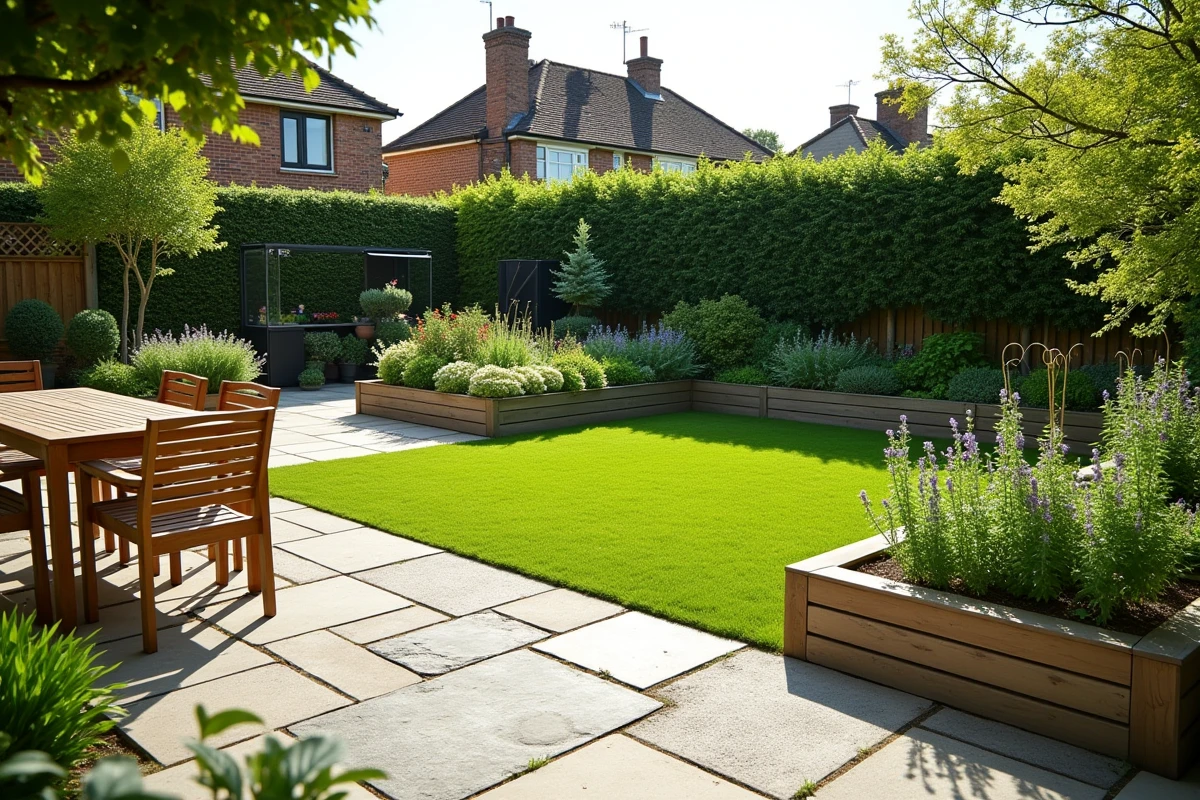
A sloping plot, an annoying overlook, clay soil that retains water: each garden imposes its own constraints even before discussing decoration. Designing an outdoor space is first about solving these concrete problems, then creating living areas that last over time. Here are ten practical tips for an optimized garden, tested on real configurations.
1. Map the sunlight before planting anything
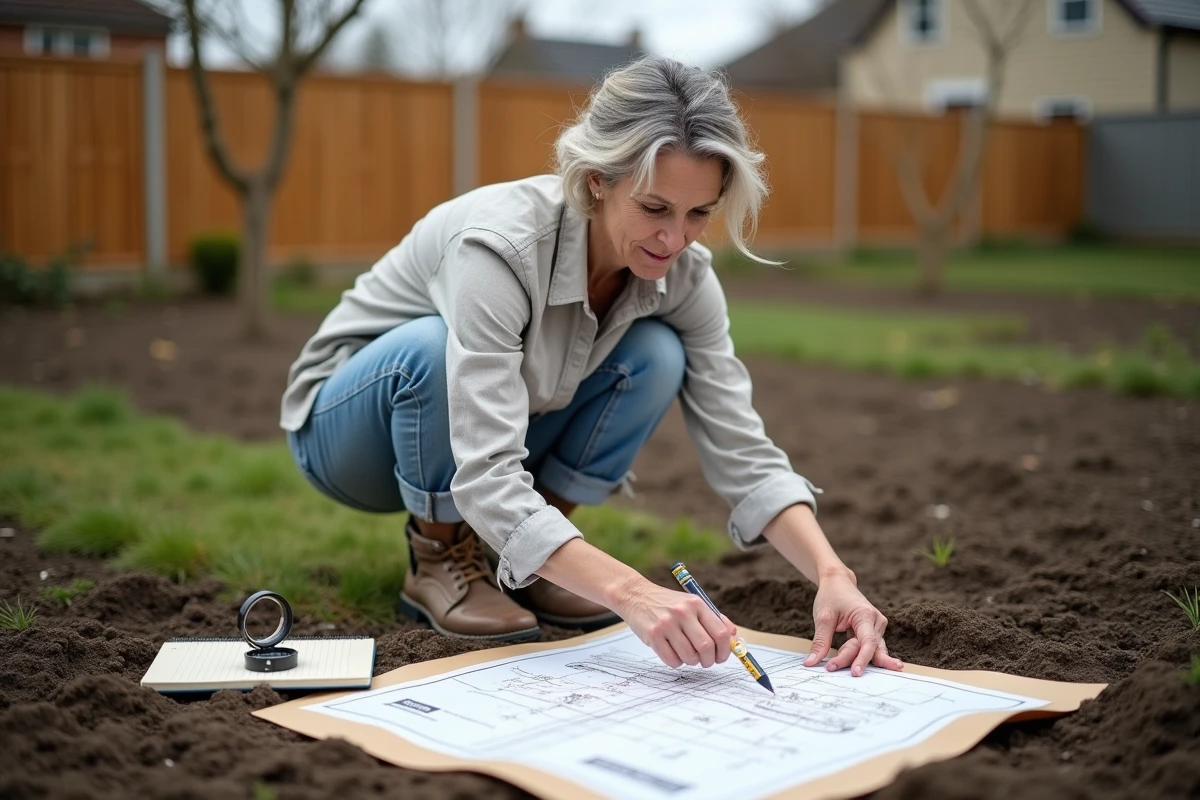
We often see flowerbeds installed in the wrong place because the plan was drawn in winter, when the shadows have nothing to do with those in June. Before buying any plants, identify the shaded, semi-shaded, and full sun areas over at least two seasons.
A simple survey is enough: three photos of the garden (morning, noon, late afternoon) taken a month apart. This document guides the choice of plants, the positioning of the terrace, and the location of the vegetable garden. Without this preliminary work, you end up replanting every year.
2. Structure the garden into distinct usage zones
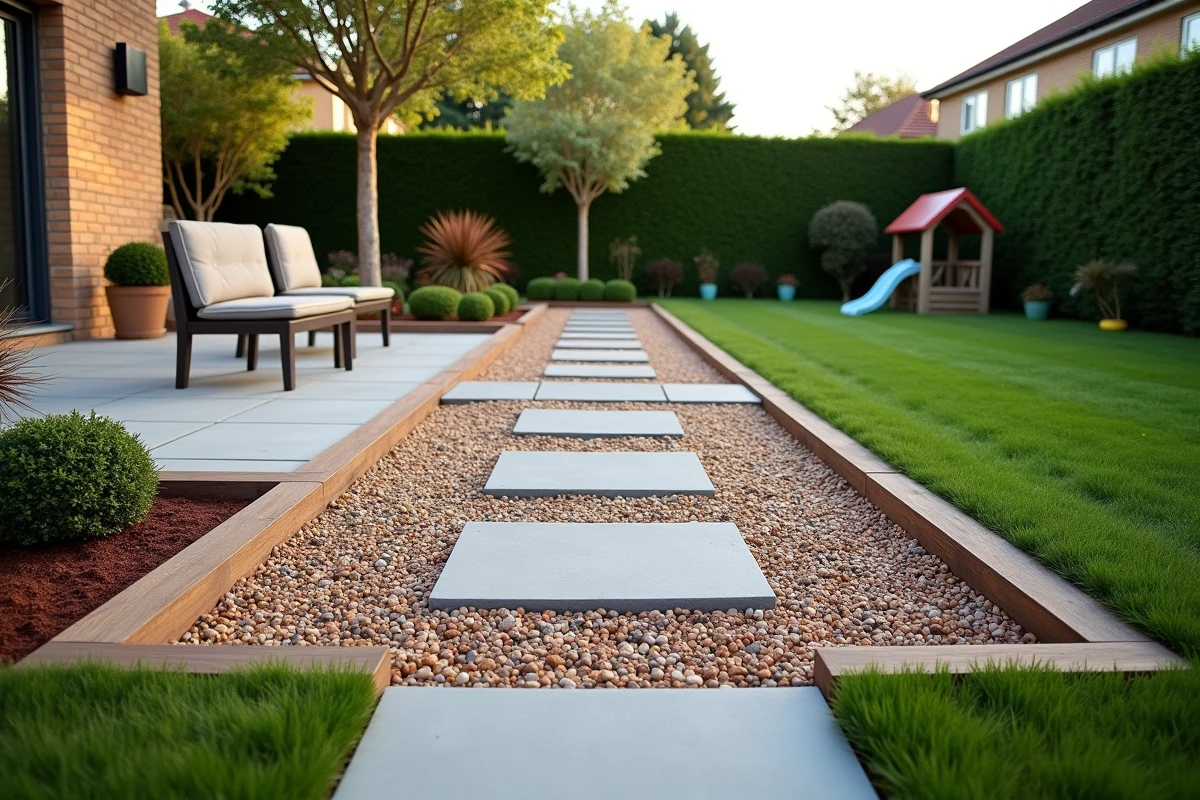
For those looking for tips for outdoor space design, the starting point remains the delineation of zones: dining area, play space, flowerbeds, vegetable garden, circulation. Each zone serves a specific purpose, not a decorative desire.
Mark these zones on the ground with a hose or string before investing. The principle: every square meter of the garden must have an assigned function. Residual spaces (between the hedge and the path, along the north wall) become mulching or ground cover areas, not default wastelands.
3. Favor permeable materials for hard surfaces
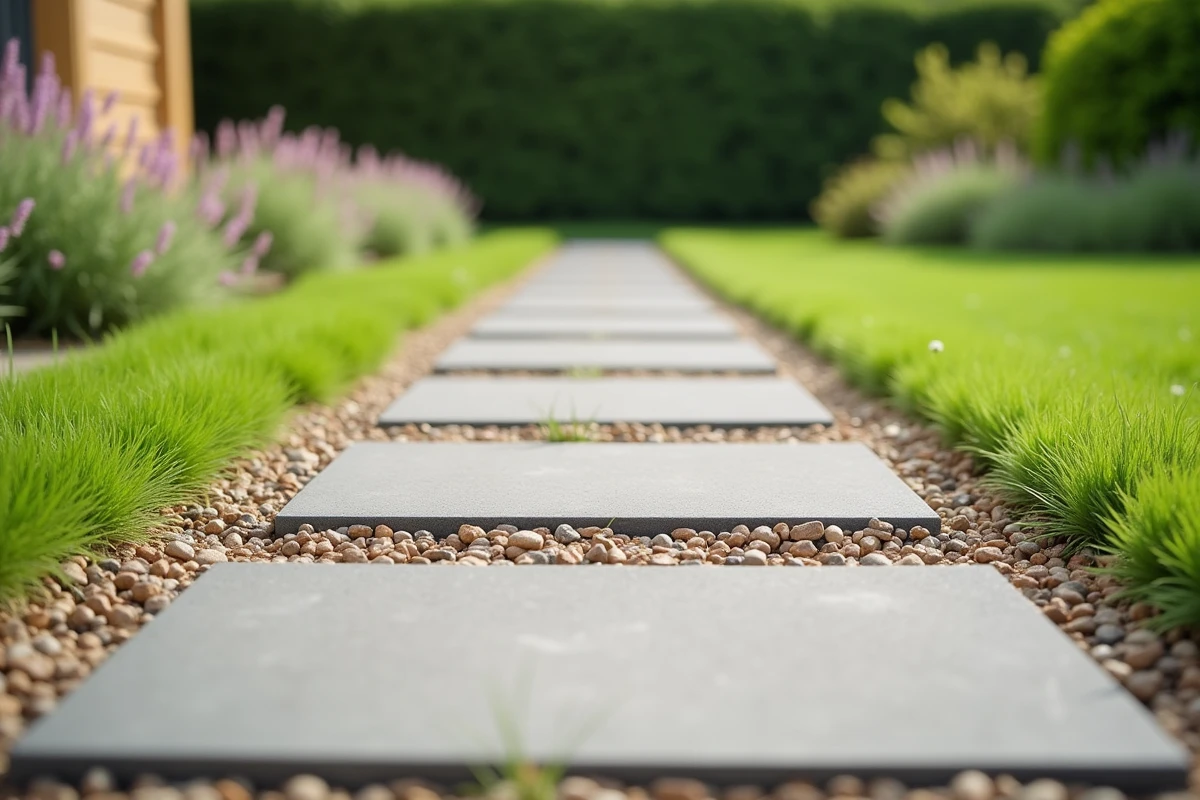
Since the Climate and Resilience Law of 2021 and the goal of zero net artificialization, several revised local urban plans limit the proportion of impermeable surfaces in private gardens. Specifically, a concrete terrace covering the entire width of the plot may pose a regulatory problem depending on the municipality.
The alternatives work well:
- Grass pavers for parking or light traffic areas
- Stabilized gravel on geotextile for pedestrian paths
- Wood on pedestals for terraces, allowing water to infiltrate between the slats
These permeable materials also reduce runoff and stagnant puddles after a storm, a practical advantage on a daily basis.
4. Install a rainwater harvesting system from the start
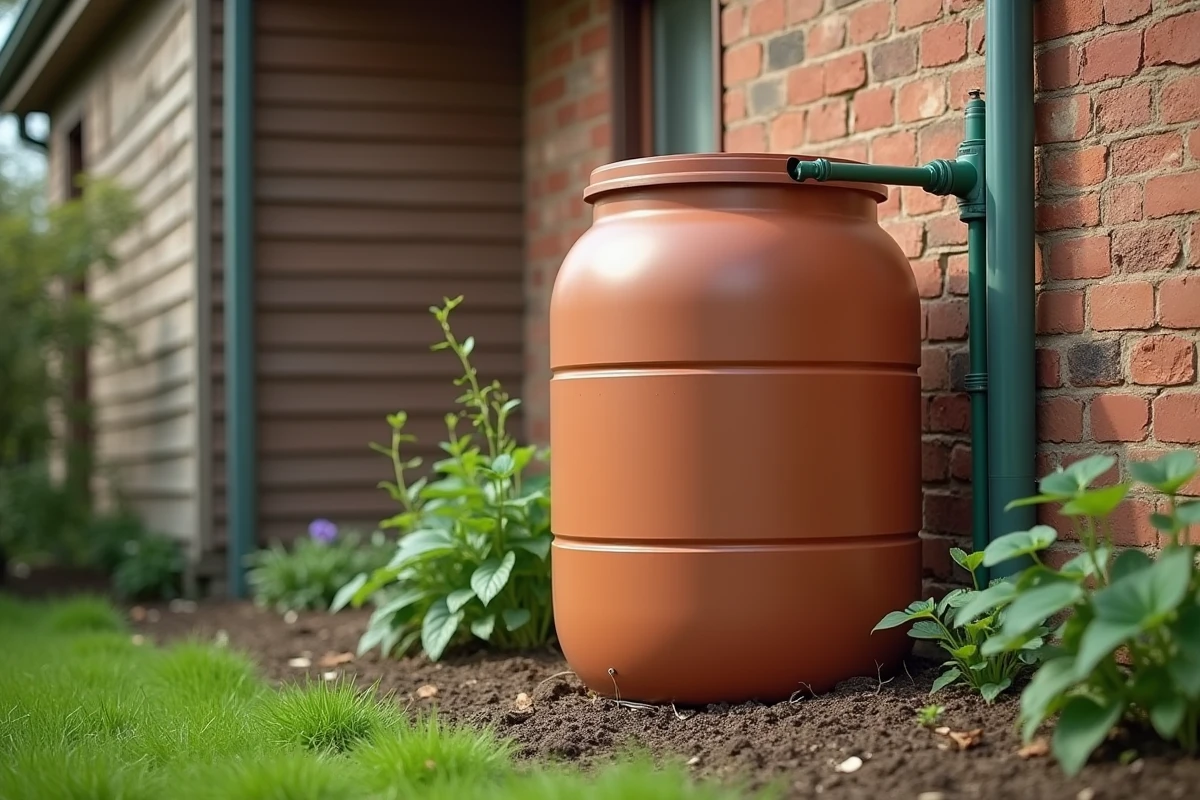
Successive drought orders since 2022-2023 have tightened watering restrictions for lawns and ornamental flowerbeds in many departments. Connecting a tank to the downspout costs little and changes the game in summer.
The tank is sized according to the collected roof area and the garden’s needs. An underground tank takes up less space but requires excavation; an above-ground tank can be set up in an hour. Feedback varies on the durability of flexible tanks, but rigid polyethylene models hold up well over the long term.
5. Create plant screens instead of solid fences
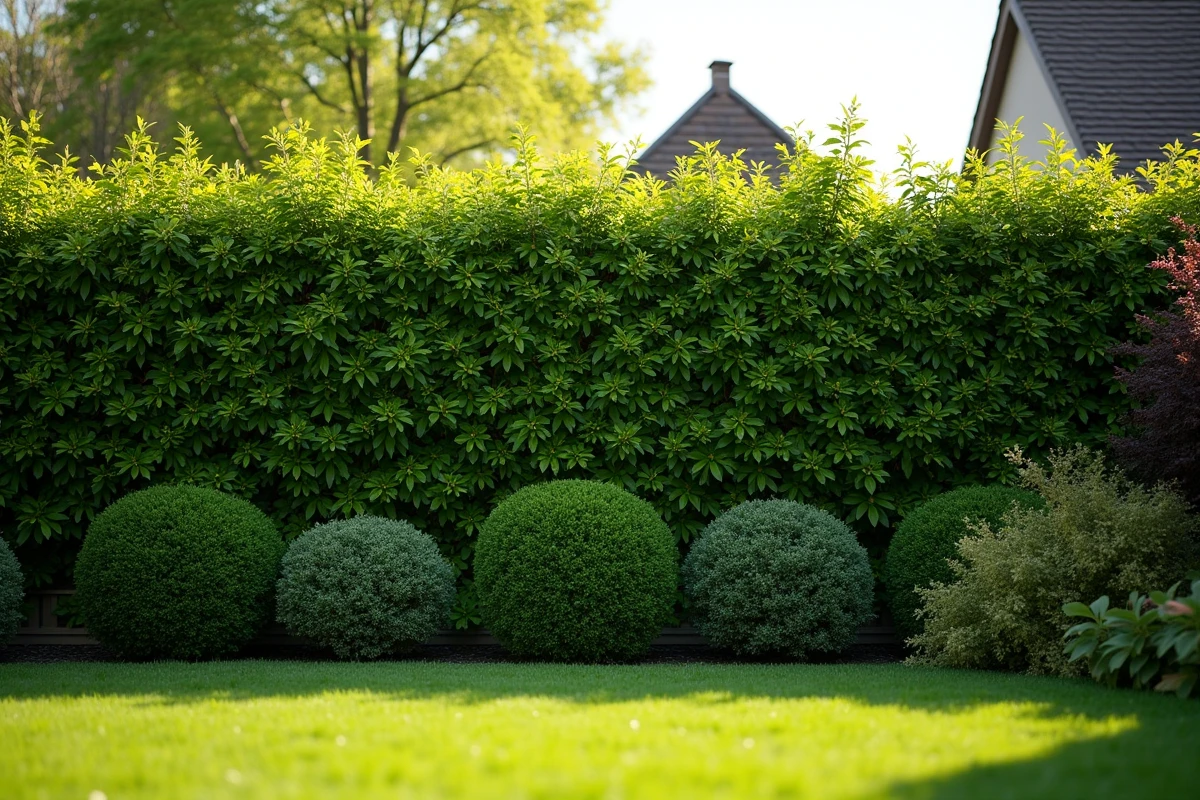
A wall or screening panel blocks both wind and view, creating turbulence and drying out the soil downstream. A mixed hedge (evergreens and deciduous plants mixed) filters the wind without blocking it and provides habitat for garden helpers.
Plant in a staggered pattern in two rows to achieve a denser screen more quickly. Varying the species in the hedge limits the risk of total loss in case of disease. A sick thuja contaminates the entire row; a hedge made up of five different species absorbs the problem without creating a gap.
6. Systematically mulch flowerbeds and tree bases
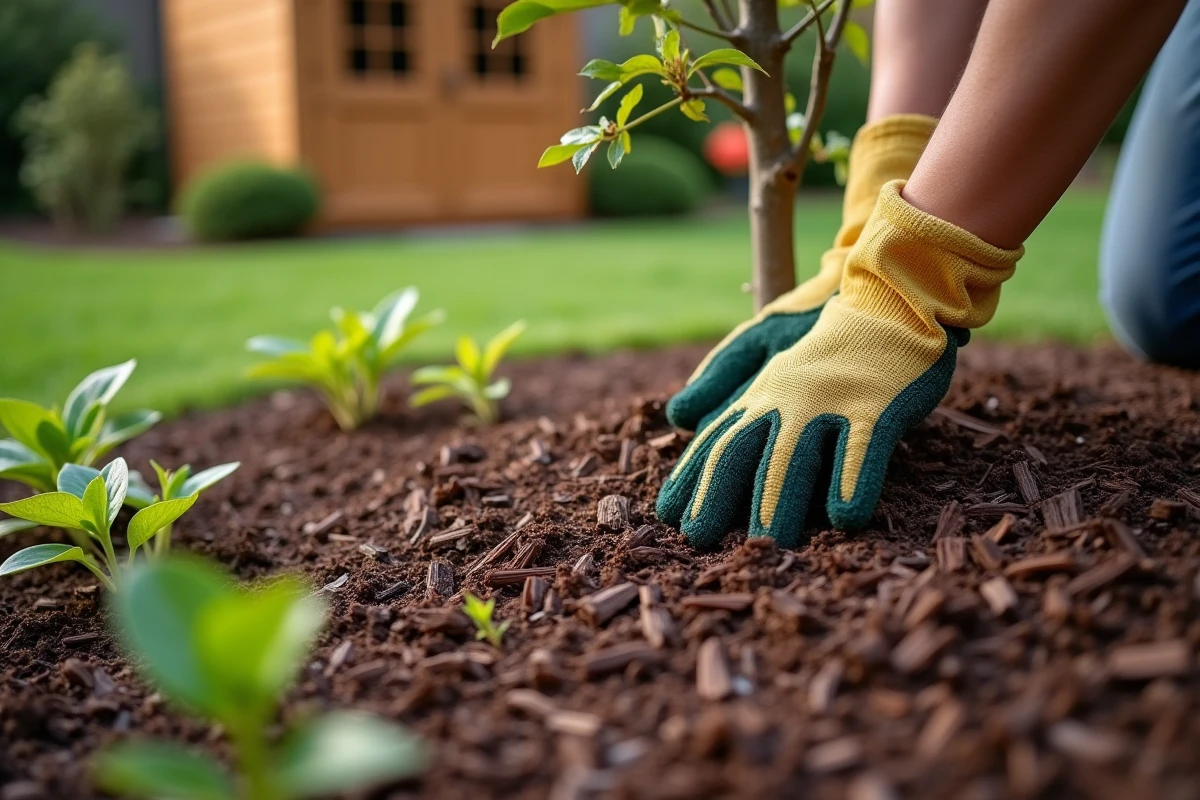
Mulching is part of the recommended practices in water-saving landscaping guides distributed by local authorities. On the ground, an organic mulch several centimeters thick reduces evaporation, limits weeds, and nourishes the soil as it decomposes.
Wood chip mulch, hemp straw, buckwheat husks: each material has its use. Wood chips are suitable for shrub beds, while hemp straw is good for vegetable gardens. Renew it once or twice a year depending on the decomposition rate.
7. Integrate a vegetable garden corner even in a small space
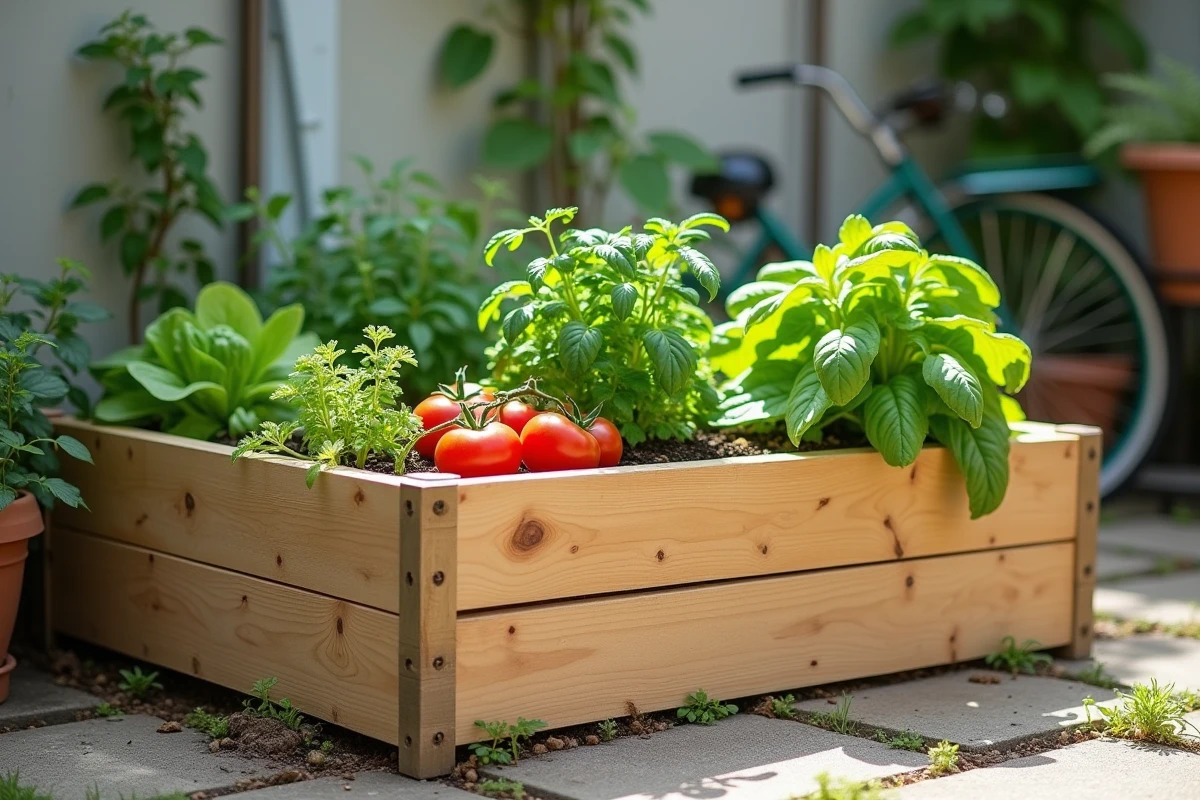
Data from INRAE shows a growing motivation related to food autonomy, especially in urban areas. A vegetable garden of a few square meters, in raised beds or containers, is enough for herbs, salads, and tomatoes.
Position the vegetable garden in the sunniest area of the garden (survey from point 1). Direct access to a water source and proximity to the kitchen facilitate daily use. Raised beds also solve the problem of overly compacted or polluted soils.
8. Choose plants suited to the soil and local climate
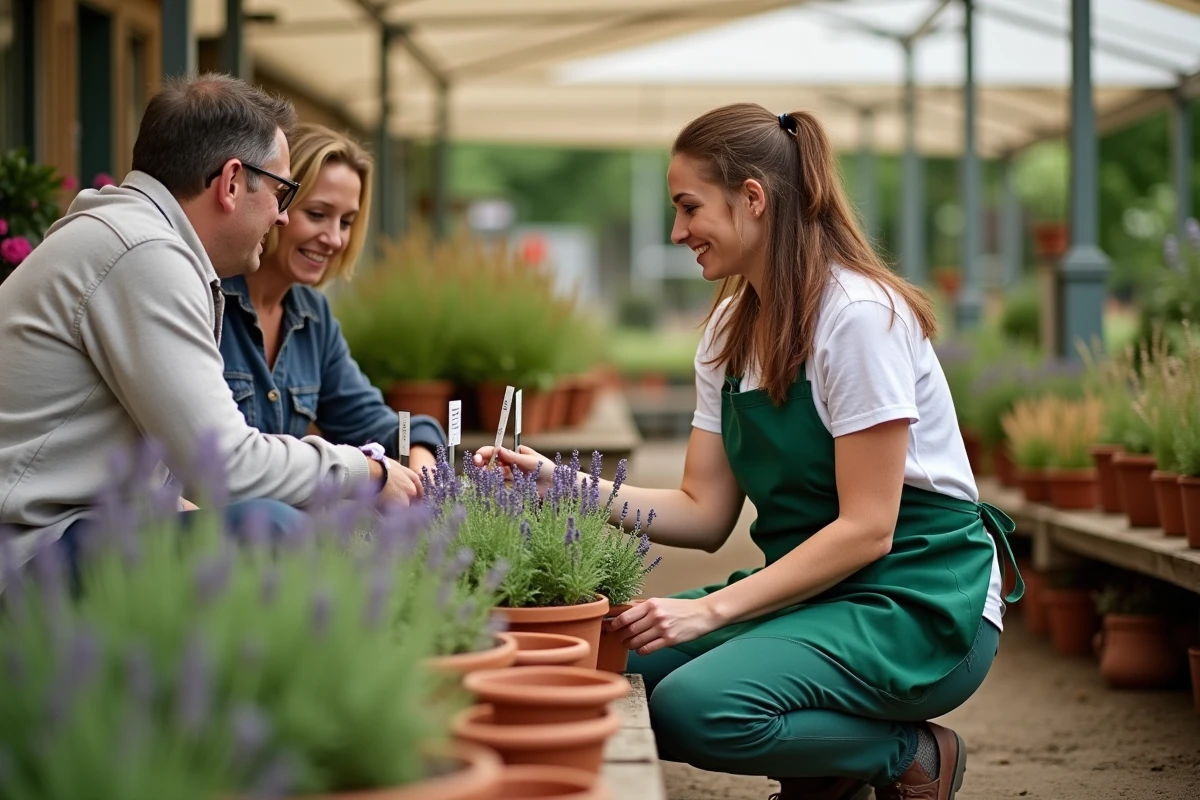
Several municipalities in the South and West now recommend water-saving landscaping: Mediterranean plants, garrigue species, ornamental grasses. Plant what grows in neighboring gardens, not what looks good in a catalog.
Before buying, check the soil type (clay, sandy, calcareous) and the hardiness zone. A suitable plant requires less watering, less treatment, and less replacement. The planting budget decreases mechanically when you stop forcing unsuitable species.
9. Plan low-energy outdoor lighting along circulation paths
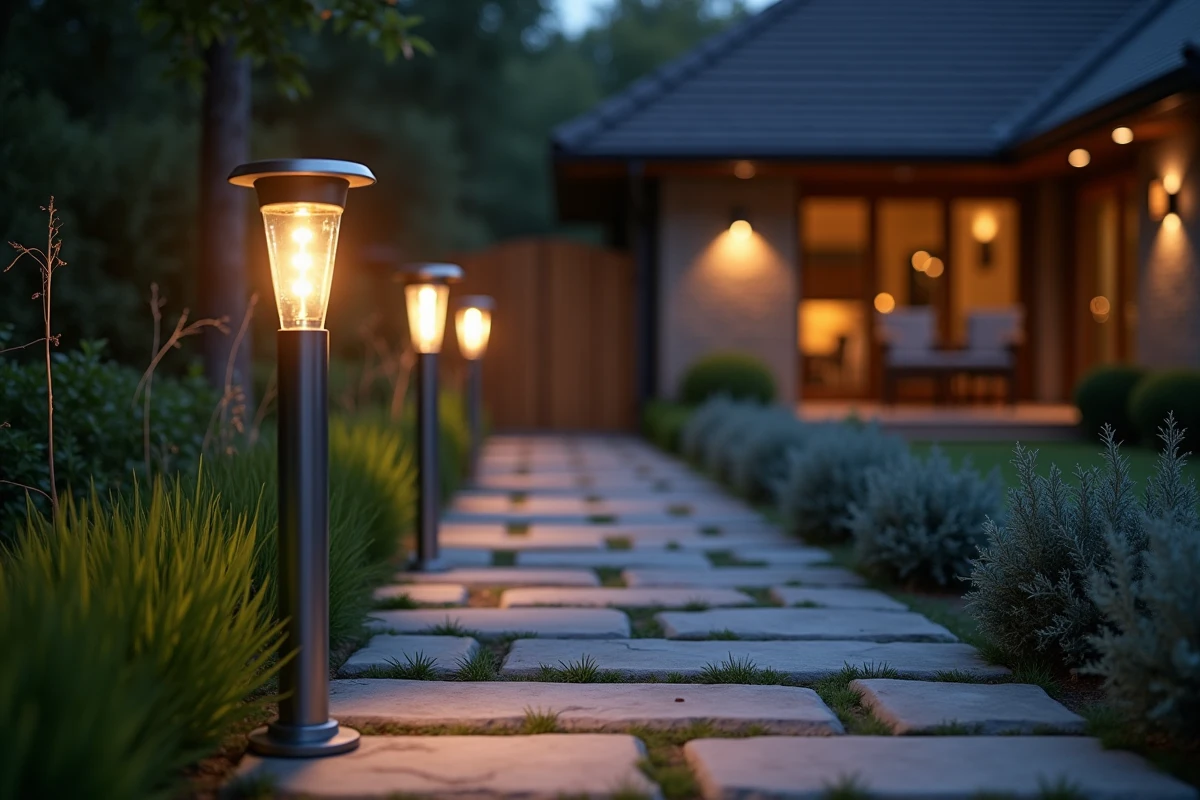
A garden without lighting loses half of its usage time starting in autumn. Install solar lights along main paths and lighting on the terrace to extend outdoor evenings.
Solar works well on low-power passageways. For the terrace or dining area, wired power remains more reliable. Avoid powerful spotlights aimed at the sky, which disturb nocturnal wildlife and annoy neighbors.
10. Plan maintenance from the garden’s design stage
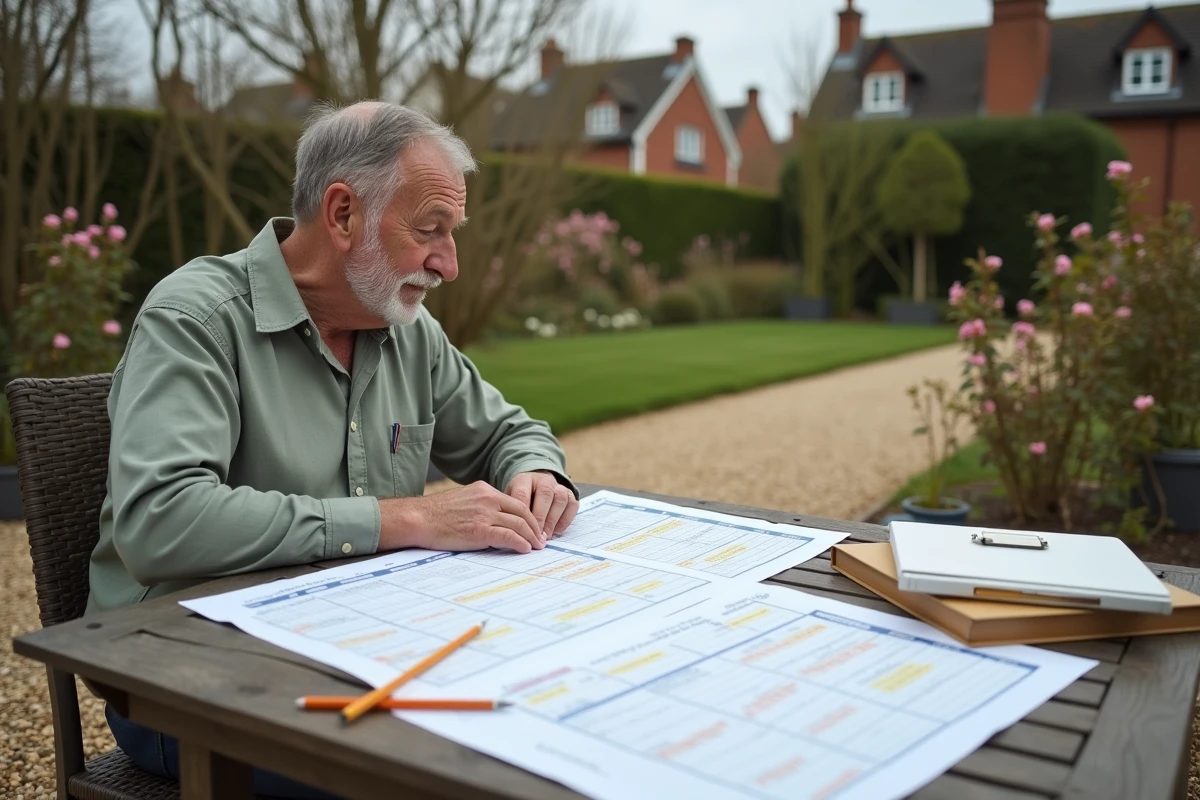
An outdoor setup that requires three hours of weekly maintenance ends up abandoned in two seasons. Size the lawn areas, the number of hedges to trim, and the complexity of the flowerbeds based on the actual time available.
Reducing the lawn in favor of ground covers, installing drip irrigation, choosing slow-growing shrubs: every decision made at the design stage saves time in the following years. An optimized garden is one whose maintenance remains manageable over ten years, not just on the day of delivery.
The success of a garden design is measured over time. An outdoor space thought out around the constraints of the land, climate, and available time remains pleasant season after season, without costly reworks or replanting.