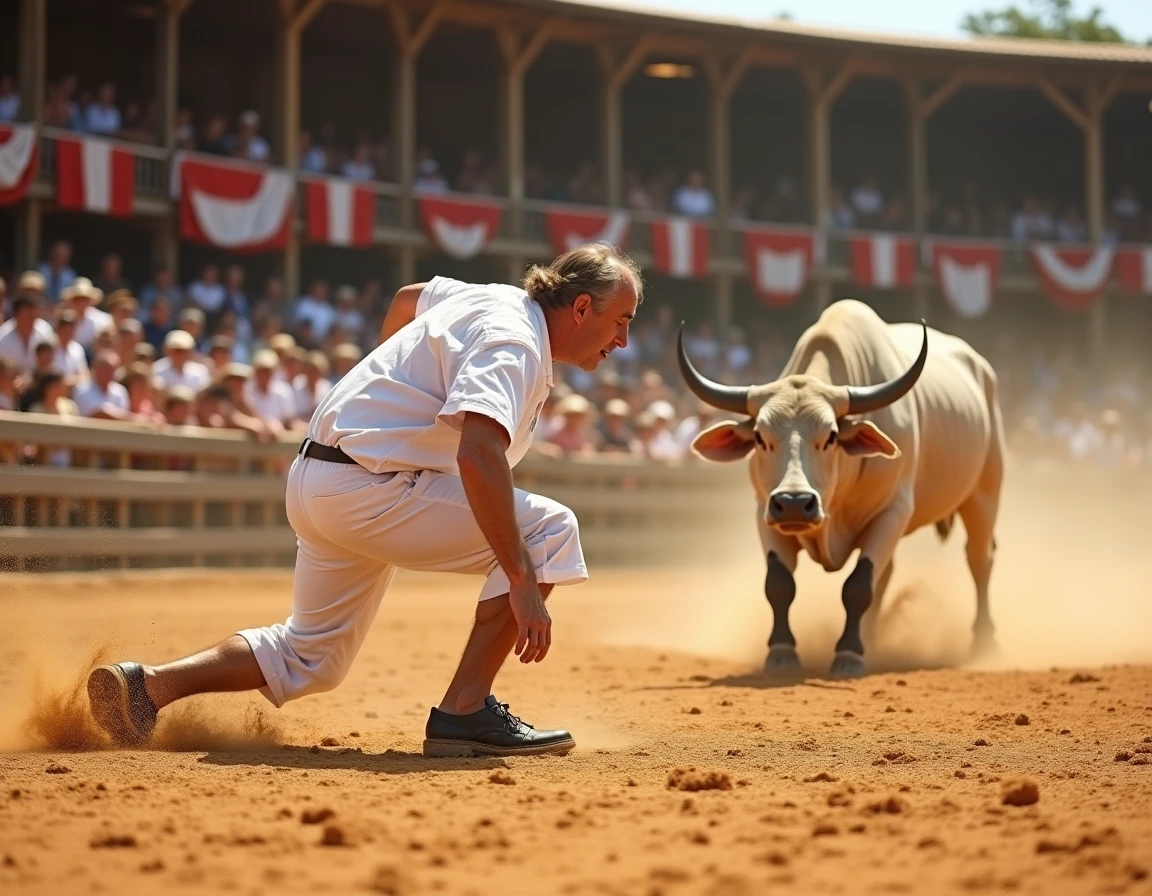
The Camargue race is distinguished from other bullfighting practices by a simple principle: the raseteur faces the bull barehanded, armed with a hook, to detach attributes fixed between the horns. The season unfolds over several months across dozens of arenas in southern France. Understanding how the federal calendar structures this season and which trophies coexist allows for a sharper reading of this programming.
FFCC Trophies: Sports Levels and Progression Logic
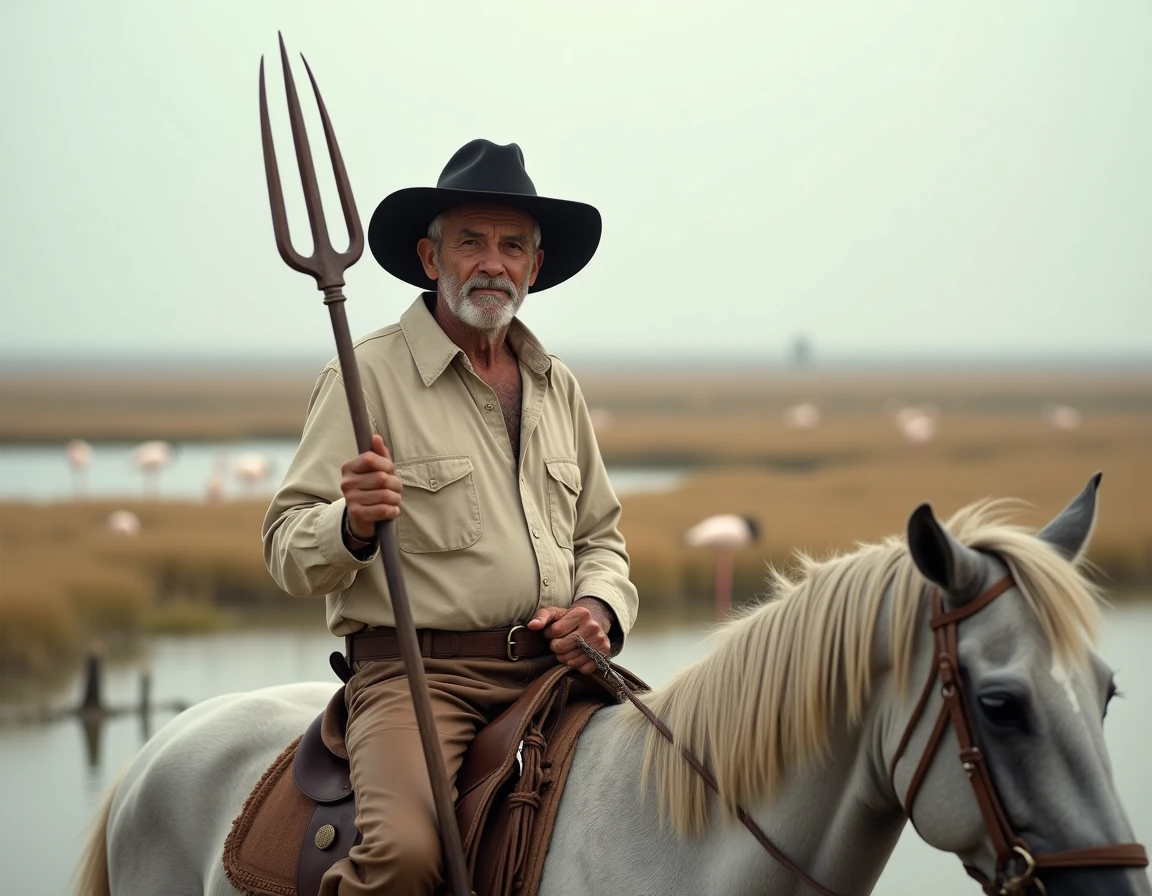
The sports structuring led by the FFCC in recent seasons has transformed the Camargue race into a true national championship organized by levels. The calendar no longer merely lists dates: it ranks competitions according to the technical level of the raseteurs and the scale of the manades involved.
| Trophy | Target Audience | Type of Arenas | Function in the Season |
|---|---|---|---|
| Trophy of the Future | Young raseteurs, hopes | Small and medium capacity | Detection and training, springboard to higher levels |
| League Races | Intermediate raseteurs | Small and medium capacity | Skill development, dedicated days in rural communities |
| Protection Races | All levels (regulated framework) | Variable | Preservation of animal welfare, strict supervision |
| Trophy of the As | Confirmed elite | Large arenas (Arles, Nîmes, etc.) | Flagship competition, final season ranking |
Recent data shows a growing place for League races and the Trophy of the Future in the calendar. Arenas like those in Vallabrègues now host entire days dedicated to these categories, providing less well-known manades with regular visibility.
This hierarchy makes reading the calendar clearer. A spectator consulting the FFCC Camargue race calendar can filter events according to the sports level that interests them, rather than browsing an undifferentiated list of dates.
FFCC Calendar and Ferias: When the Camargue Race Integrates into Festivals
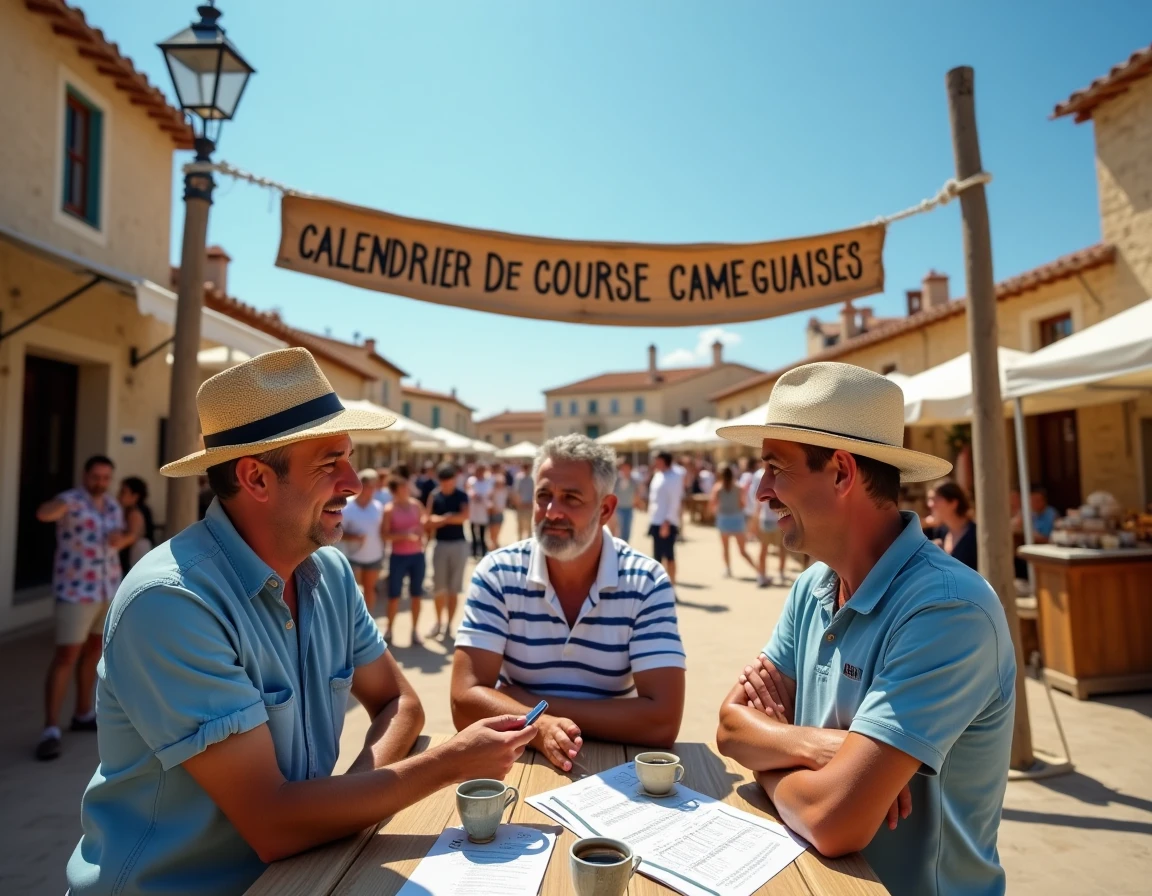
The federal calendar no longer operates in isolation. Many races are now integrated into structured festive events: Féria de la Mer in Palavas, votive festivals with bandido and abrivado, weekend bullfighting festivals. This articulation changes the very nature of the spectacle offered to the public.
For the occasional spectator, a race scheduled during a feria offers a holistic experience that transcends the sporting framework. For the enthusiast, this integration raises a question of clarity: differentiating races that count towards a federal ranking from those that fall under a festive framework without direct sporting stakes requires careful reading of the official calendar.
What This Means for the Public
- Races integrated into a feria attract a broader but less specialized audience, which alters the atmosphere in the arenas and sometimes the behavior of the stands
- Multi-race days (morning and afternoon) are multiplying during festive weekends, allowing spectators to see several levels of competition on the same day
- Peripheral animations (bandido, abrivado, encierro) complement the programming and give the calendar a cultural dimension that the mere sporting listing does not reflect
In contrast, League races or the Trophy of the Future scheduled outside a festive context, in rural communities, maintain a more intimate atmosphere. The relationship between spectators and raseteurs is more direct, the setting more sober.
Professionalization of Refereeing and Safety in the Arenas
The FFCC has been working for several seasons on the professionalization of refereeing and the clarification of regulations. This effort remains discreet to the general public, but it conditions the sporting credibility of the entire calendar.
Homogeneous refereeing from one arena to another ensures that the points awarded during a League race in Vallabrègues and those of a Trophy of the As in Arles meet the same criteria. Without this consistency, the final season ranking would lose its significance.
Safety: An Evolving Framework
Protection races, listed in the federal calendar, adhere to a strict framework for animal welfare. They impose constraints on the duration of exposure of bulls in the ring, the number of passes, and the resting conditions between two races.
This regulatory dimension is an integral part of the calendar. It explains why certain periods of the season have fewer races in large arenas: elite bulls cannot participate in consecutive outings without respecting recovery intervals defined by the federation.
Social Media and Dissemination of the FFCC Calendar
The FFCC has strengthened its digital presence in recent seasons, particularly through its Instagram and Facebook accounts. This online dissemination changes the way aficionados follow the season. Race results, updated rankings, and program changes now circulate in real time.
For small-capacity arenas, this digital visibility represents a concrete lever. A League race in a town of a few thousand inhabitants can reach an audience well beyond its local basin thanks to a simple relay on the federation’s official networks.
- The stories and reels published by the FFCC show excerpts of rasets, attracting a younger audience to the arenas
- Facebook groups dedicated to the Camargue race relay calendar changes (weather delays, arena changes) faster than official channels
- Trophy rankings are available online, allowing followers to track a raseteur’s progress throughout the season without attending every race
The Camargue racing season is now read as much on a screen as from the stands. The FFCC calendar, with its segmentation by trophies and competition levels, structures a practice that gains in sporting clarity without losing its roots in local traditions. However, the richness of this programming is only fully revealed in the arenas, when the raseteur faces the cocardier.