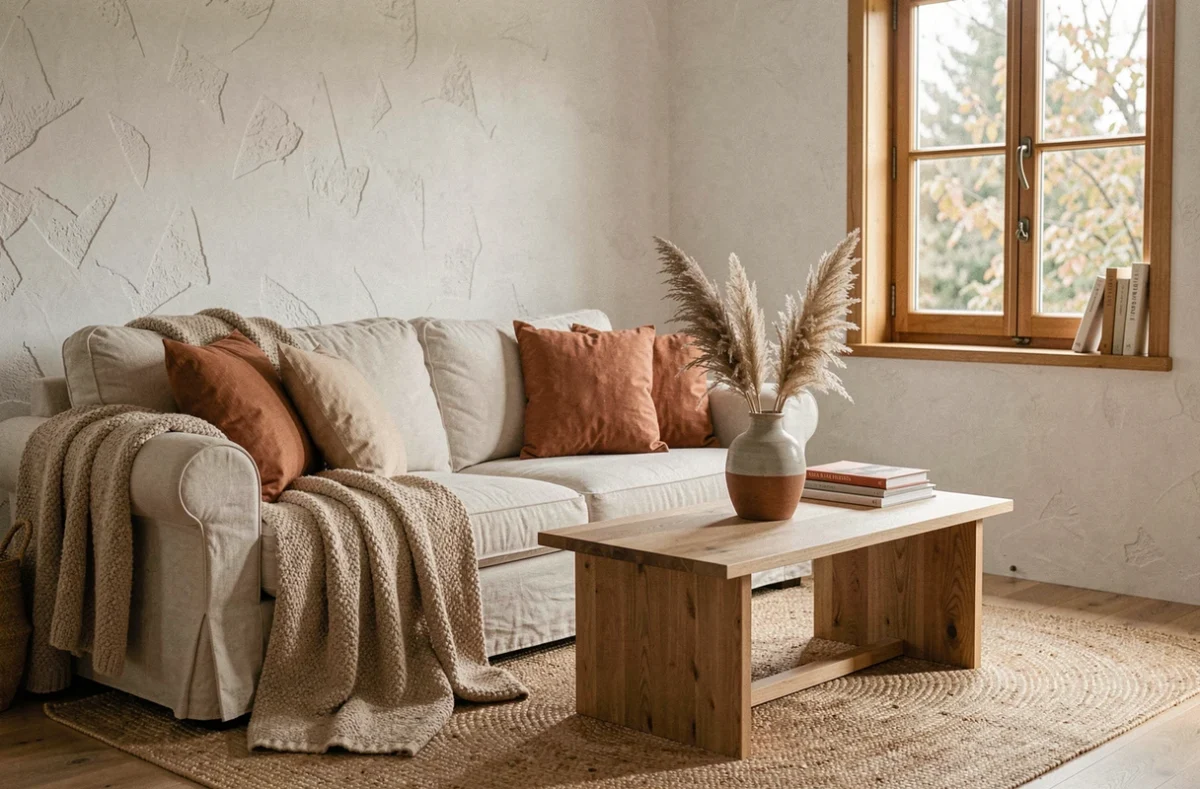
A sofa facing the wrong way, a room that gets too dark after 4 p.m., a hallway that smells musty as soon as the windows are closed: we often notice what’s wrong with our homes by living in them, not by browsing a catalogue. Creating a welcoming home means addressing these everyday irritations before choosing a colour palette or decorating style. The tips below start with real-life situations and offer practical solutions for every room.
Airflow and comfort: the invisible foundations of a pleasant home
Ventilation rarely comes to mind when we talk about interior design. Indoor air quality remains a matter of health as well as comfort, as the findings of the national campaign conducted between 2020 and 2023 by the Indoor Air Quality Observatory remind us: some pollutants still exceed reference levels in a proportion of homes.
In practical terms, this means that your choice of decorating materials directly affects the air you breathe. Wall paint, laminate flooring and furniture made from particleboard release volatile organic compounds for weeks after installation. Choosing products labelled A+ (the regulatory classification for indoor air emissions) reduces this pollutant load without any extra effort.
Ventilation itself is another key factor. ADEME’s JUSTAIR project assessed several systems by comparing air quality, thermal comfort, energy consumption and noise pollution. During renovations, it’s tempting to seal every air inlet to improve insulation, but this can disrupt natural airflow. Keeping air inlets in good condition is better than having airtight insulation with inadequate ventilation.
For more ideas on decorating and furnishing every room, Aline Archimbaud’s articles explore these topics in practical detail.

Colours and natural light: tailor your choices to each room’s orientation
A north-facing room responds very differently to the same paint colour than a south-facing one. Off-white may look warm in a living room flooded with afternoon light, but turn a dull grey in a north-facing bedroom. Save time (and money) by testing colours directly on the wall in question, using a sample and checking it at different times of day.
Rooms with little natural light: add warmth without making them feel darker
Muted, rich shades (terracotta, ochre yellow, sage green) work better than pure white in rooms that lack direct sunlight. They absorb less ambient light than you might think and create a cosy, enveloping atmosphere that makes up for the lack of sunshine.
Pairing these shades with reflective surfaces, such as a mirror placed opposite the window or a light-shaded lamp, helps redistribute the available light without making the decor feel cluttered.
Sun-drenched rooms: keep them comfortable in summer
The DPE’s summer comfort indicator assesses solar protection and the building’s thermal mass, but does not take the local climate into account. In practice, a south-west-facing living room without exterior shutters or sunshades can become unbearably hot in July, whatever colour the walls are.
Passive solutions are still the most effective:
- Exterior solar protection (adjustable-louvre shutters, awnings, planted pergolas) blocks heat before it reaches the glass, whereas an interior curtain can only filter it.
- Thick, light-coloured linen curtains complement this setup by softening the light without turning the room into an oven.
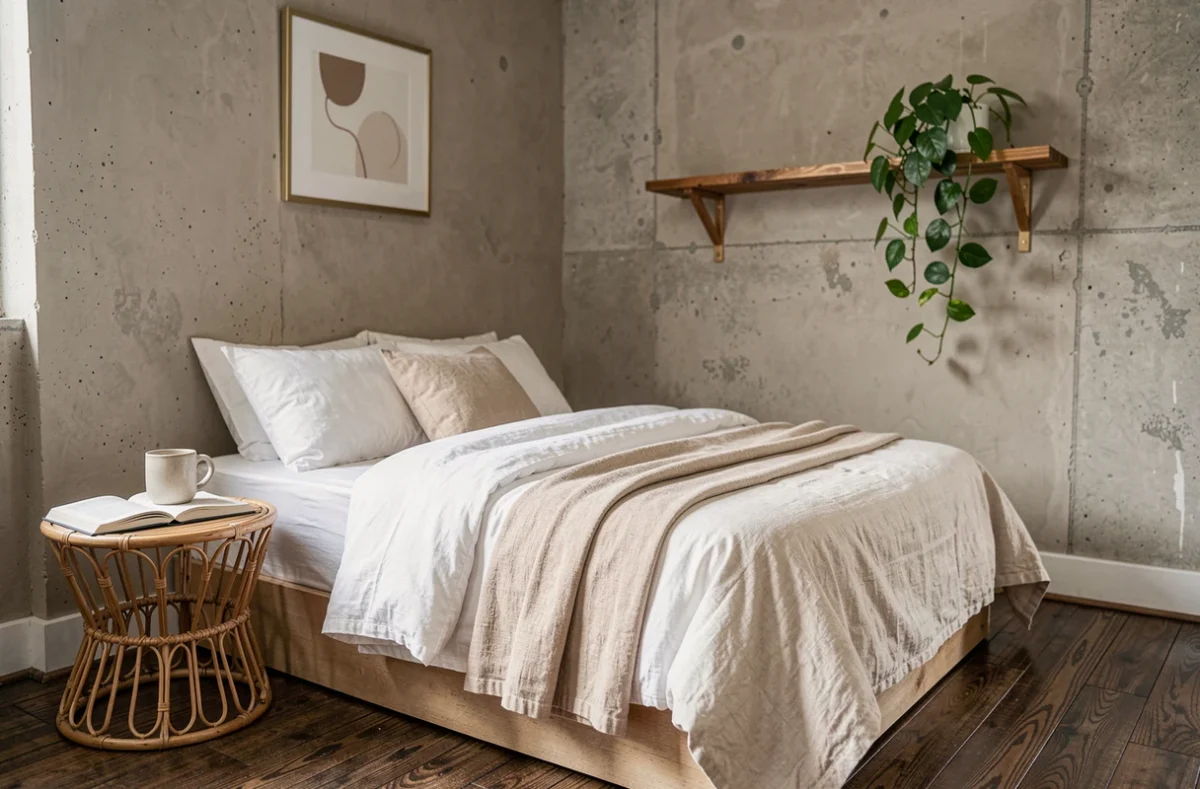
- Flooring with high thermal mass (tiles, stone, polished concrete) stores the coolness of the night and releases it during the day.
Living room layout: organise the space around how you really use it
The usual instinct is to place the sofa facing the TV and arrange everything else around it. The result is a living room that works for one purpose, but rarely feels welcoming for entertaining, reading or simply chatting.
Creating two or three activity zones in the same living room changes how the space feels without altering the walls. A generously sized rug defines the conversation area, a console table or low shelving separates the dining area, and an armchair facing the window creates a reading nook.
Furniture can act as a flexible partition. For example, an open bookcase placed behind the sofa visually separates the living room from the entrance while still letting light through. This kind of layout works particularly well in open-plan living spaces where the kitchen, dining area and living room flow into one another.
The oversized furniture trap
A bulky corner sofa in a medium-sized living room blocks walkways and makes the space feel cramped. Before buying, measure not only the available space but also the clearance needed around the furniture—at least 60 centimetres for comfortable movement.
Modular seating (poufs, benches and lightweight armchairs) offers greater flexibility. You can move it around to suit different occasions, making the room adaptable without having to rearrange it permanently.
Accessories and textiles: the details that make a home feel warm
Cushions, throws and curtains are more than decorative touches. They also affect a room’s acoustics. A living room with hard floors, smooth walls and few textiles tends to echo, which can become tiring over time and make conversations less pleasant.
Adding thick textiles in the right places helps reduce sound reverberation:
- A heavy curtain covering the full height of the window absorbs sound better than a Venetian blind.
- A short-pile rug under the coffee table reduces echo without trapping dust.
- Cushions made from natural fabrics (linen, cotton, wool) age better than synthetic alternatives and retain their texture season after season.
It’s all about balance: three carefully chosen cushions are enough for a sofa. Any more, and the room starts to feel cluttered and loses its sense of order.
A welcoming home is built up in layers. The air we breathe, the light we receive, the space we move through and the textures we touch all contribute to overall comfort. The most effective choices are rarely the most noticeable, but they’re what make the difference between a house you pass through and a home you want to stay in.