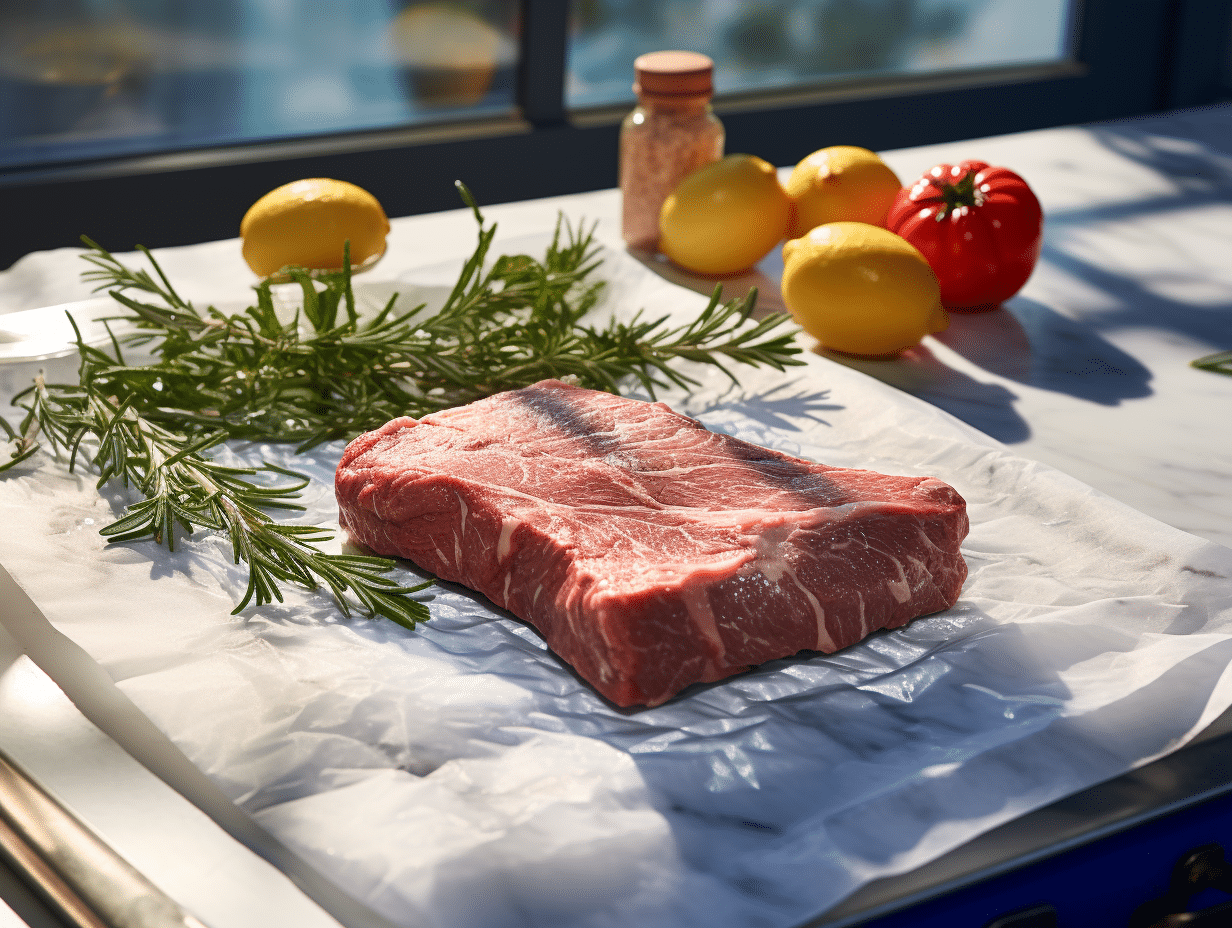
The preservation of meat after cooking is a subtle art that influences both food safety and flavor retention. Understanding how to keep meat in optimal conditions after cooking is essential to avoid waste while ensuring delicious meals in the following days. Techniques and tips vary depending on the types of meat and the equipment available in the kitchen. Methods include rapid cooling, proper storage, and the use of marinades or sauces to maintain the tenderness and moisture of the meat. Mastering these processes allows for extending the shelf life of cooked dishes and savoring their aromas for longer.
The best practices for preserving meat after cooking
Cooked meat, more durable than its raw counterpart, still requires special care to preserve its quality. Once cooking is complete, the temperature must drop quickly to prevent bacterial proliferation. Place the meat in the coldest part of the refrigerator, usually towards the back, where the cold is most consistent. Ensure that the internal temperature of the appliance keeps the meat between 0 and 4°C, the food safety zone.
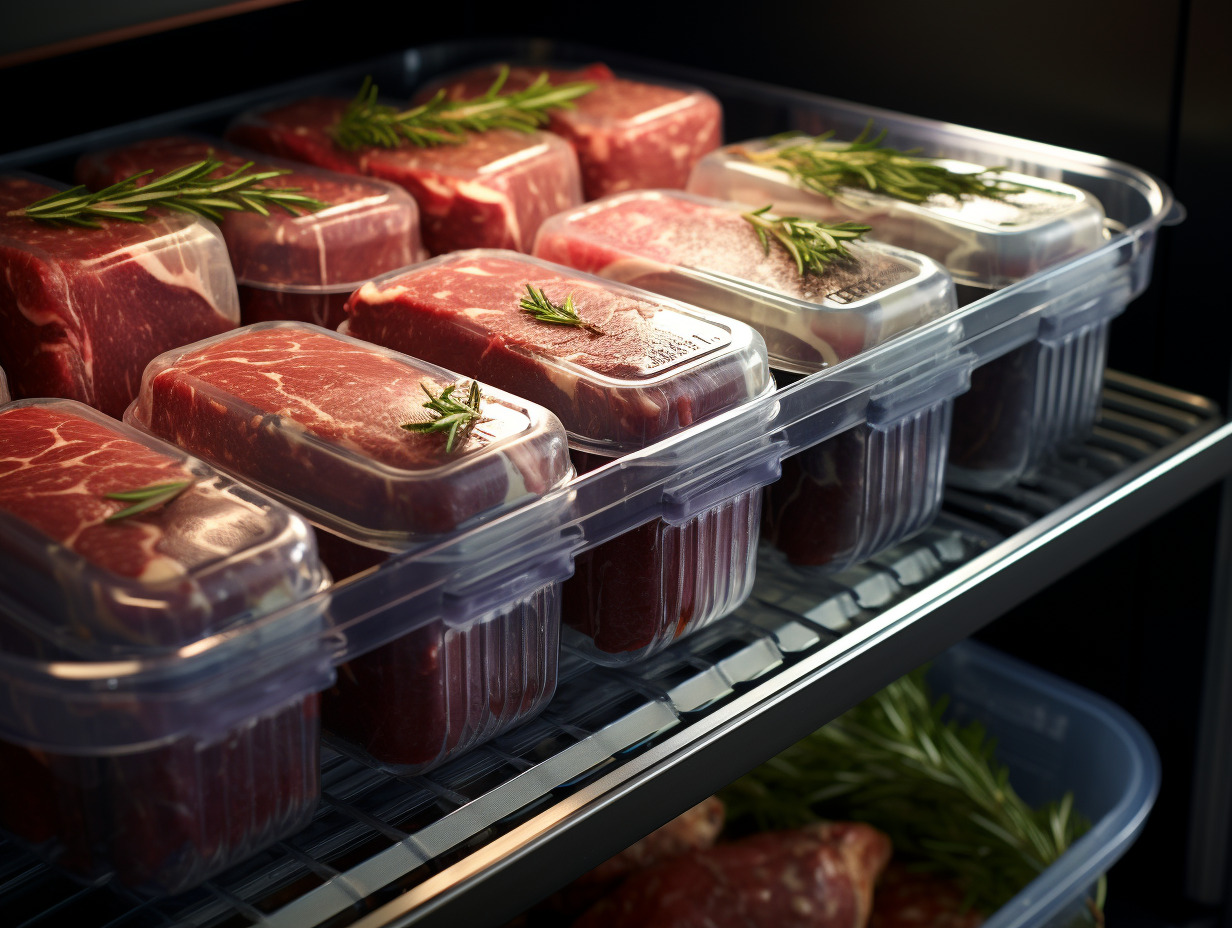
Packaging plays a key role in preserving cooked meat. Whether for refrigeration or freezing, the choice of container is fundamental. Opt for airtight containers or quality cling film to maintain the integrity of the cold chain. This practice minimizes exposure to air, slows down oxidation, and preserves flavors.
For those anticipating long-term storage, freezing is a viable option. Meat should be frozen quickly after cooling and stored in suitable packaging to avoid freezer burn. Be aware that each type of meat has its own shelf life once frozen. The expiration date should be checked and adhered to ensure safety.
Among advanced techniques, sterilization of cooked meat emerges as an effective method. It involves heating the meat after packaging to eliminate or kill present microorganisms. This technique, combined with proper storage, can significantly extend the shelf life of cooked meat without compromising its taste or nutritional quality. Consider these practices for optimal preservation of your meat-based preparations.
Advanced techniques and tips for preserving cooked meat
Vacuum-sealed meat stands out as a preferred preservation method, allowing for extended durability of cooked meat. This technique, by evacuating air from the packaging, limits exposure to bacteria and can thus extend preservation for up to three weeks. The use of specific materials and vacuum sealing machines is required for optimal results. Meat in sauce, on the other hand, benefits from prolonged preservation due to its moist environment, which can be either refrigerated or frozen as needed.
Regarding ground meat, its texture and large surface area exposed to microorganisms necessitate quick consumption. After cooking, ground meat should be consumed within 12 hours or stored in the refrigerator and consumed by the next day at the latest. When considering longer storage, freezing is recommended, with appropriate packaging to avoid freezer burn.
The process of thawing requires particular attention. To ensure the safety and quality of the meat, thawing it in the coldest part of the refrigerator is the recommended method. Each type of frozen meat has varying shelf lives that must be strictly observed. Take care to organize your freezer space well to avoid losing track of expiration dates.