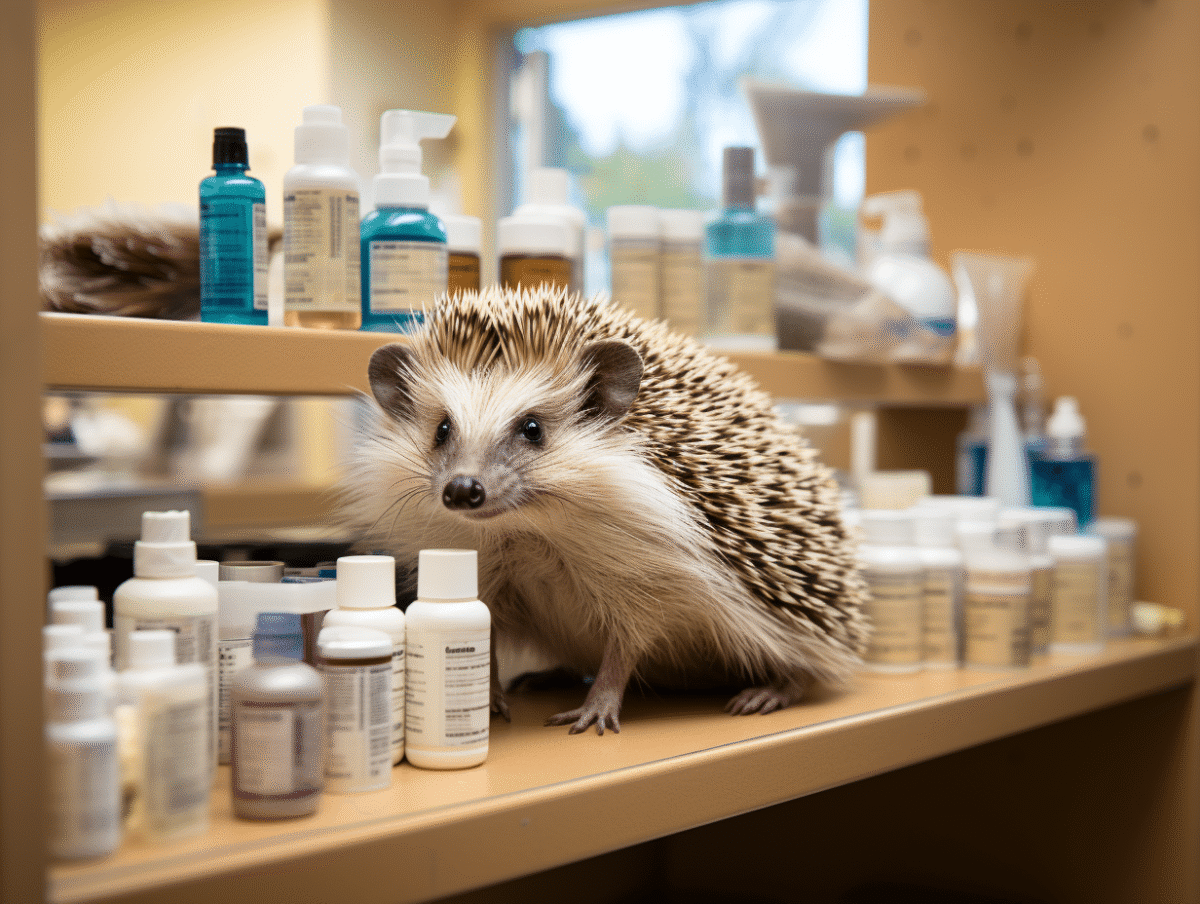
In the shadow of veterinarians and zookeepers, a multitude of professionals dedicate their daily lives to the well-being and study of animals. These lesser-known jobs in the animal sector are as varied as they are essential. They include roles such as animal behaviorist, animal prosthetist, and falconer. Each role plays a fundamental part in preserving biodiversity and maintaining animal health. These specialists often work away from the spotlight, but their contributions are indispensable to the balance between humans and the animal world.
Exploring the Behind-the-Scenes of the Animal Sector: Unusual and Essential Jobs
At the heart of the animal sector, far from the public eye, professionals with lesser-known but essential roles work daily to care for wild and domestic animals. The animal caretaker, often associated with zoos, requires versatility and availability at all times. Good physical condition, caution, concentration, composure, and a keen sense of observation are the indispensable qualities for this modestly paid job, close to the minimum wage, but invaluable in terms of care and attention given to wildlife.
Moving up the hierarchy of animal parks, the head keeper takes on greater responsibilities. In addition to the qualities required for a caretaker, they must also possess listening skills, a natural authority, and a developed interpersonal sense. The tasks of managing teams and coordinating care require significant experience, often gained through internal promotion. Their efforts translate into a salary ranging from €1,800 to €2,100 gross per month, a modest recognition of their daily commitment to preserving biodiversity, particularly the 443 protected species in Île-de-France.
Among these unusual jobs, the inseminator performs a specialized profession, essential to the reproduction and sustainability of species, whether domestic or sometimes even wild. This job requires a sharp technical know-how, a deep understanding of animal behavior and genetics. Professionals in the field work in the shadows with precision and delicacy that determine the success of their intervention, often crucial for the genetic diversity of animal populations.
Focus on Atypical Animal Professions: Skills and Pathways
The animal caretaker is often the first job associated with the animal sector by the general public, but its familiarity should not overshadow the specificity of its training. The training to become an animal caretaker requires a well-defined curriculum, combining theory and practice. It generally involves specific training with internships, provided by recognized centers, such as the European training center. The job demands not only technical skills but also a strong sensitivity to the environment and animal welfare. The veterinary assistant, for example, represents another face of this profession, often on the front lines to provide daily care and ensure the health monitoring of the residents.
The head keeper, on the other hand, illustrates the path of professional evolution within this field. The most experienced caretakers can access this responsible position through internal promotion, reflecting recognition of their expertise and commitment. This pathway illustrates the possibility of a progressive career within the animal sector, where field experience and mastery of issues related to the management of animal species are crucial assets. The head keeper must not only possess technical expertise but also the ability to manage a team, organize care, and interact with various stakeholders in the zoo.
These jobs, although situated in the shadow of media spotlights, are major for the conservation and care of animals. They require dedicated professionals, ready to invest in continuous learning and demanding working conditions. The training and pathway of these actors in the animal world reflect their commitment: demanding, specialized, and intimately linked to a passion for wildlife and nature.