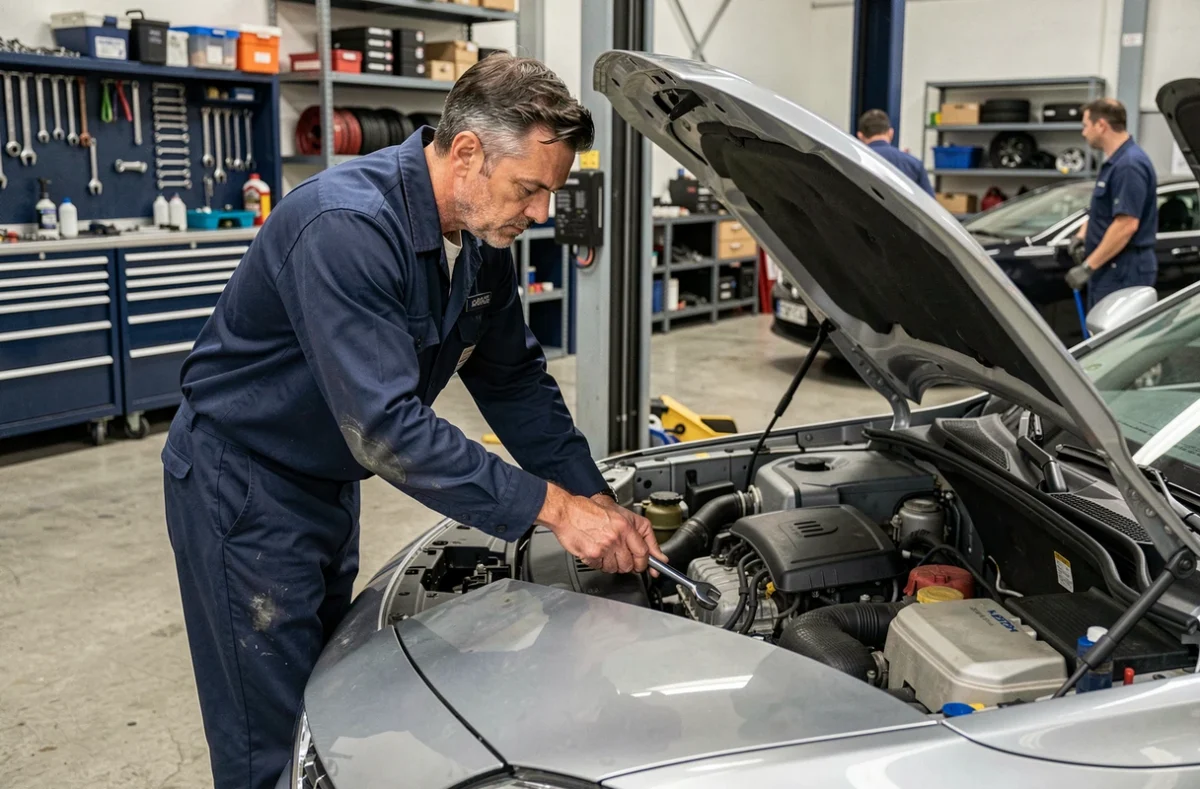
The average age of vehicles presented for technical inspection reached 13.3 years in 2025, compared to 13 years the previous year, according to a Winparts study covering 23.1 million inspections. This aging of the vehicle fleet changes maintenance priorities and requires monitoring areas that motorists often neglect.
Corrosion and Suspension: Failures Related to the Aging Vehicle Fleet
Traditional maintenance guides focus on oil changes, brake pads, and filters. These operations remain useful, but they do not address the degradation specific to vehicles over ten years old.
In an aging fleet, critical areas change. Corrosion attacks the undercarriage, suspension mounts, and brake lines. Rubber hoses lose their elasticity and can crack without visible signs. The 12 V battery, even in a recent vehicle, struggles with repeated partial discharge cycles related to onboard electronic equipment.
The Winparts study, reported by Auto Plus in September 2026, indicates an increase in mandatory re-inspections. A thorough diagnosis before the technical inspection helps identify these structural weaknesses and avoid vehicle immobilization or emergency repairs, which are increasingly costly.
Motorists who follow industry news on the Rognac Auto website regularly find this type of technical alert, with explanations tailored to common models in the French market.
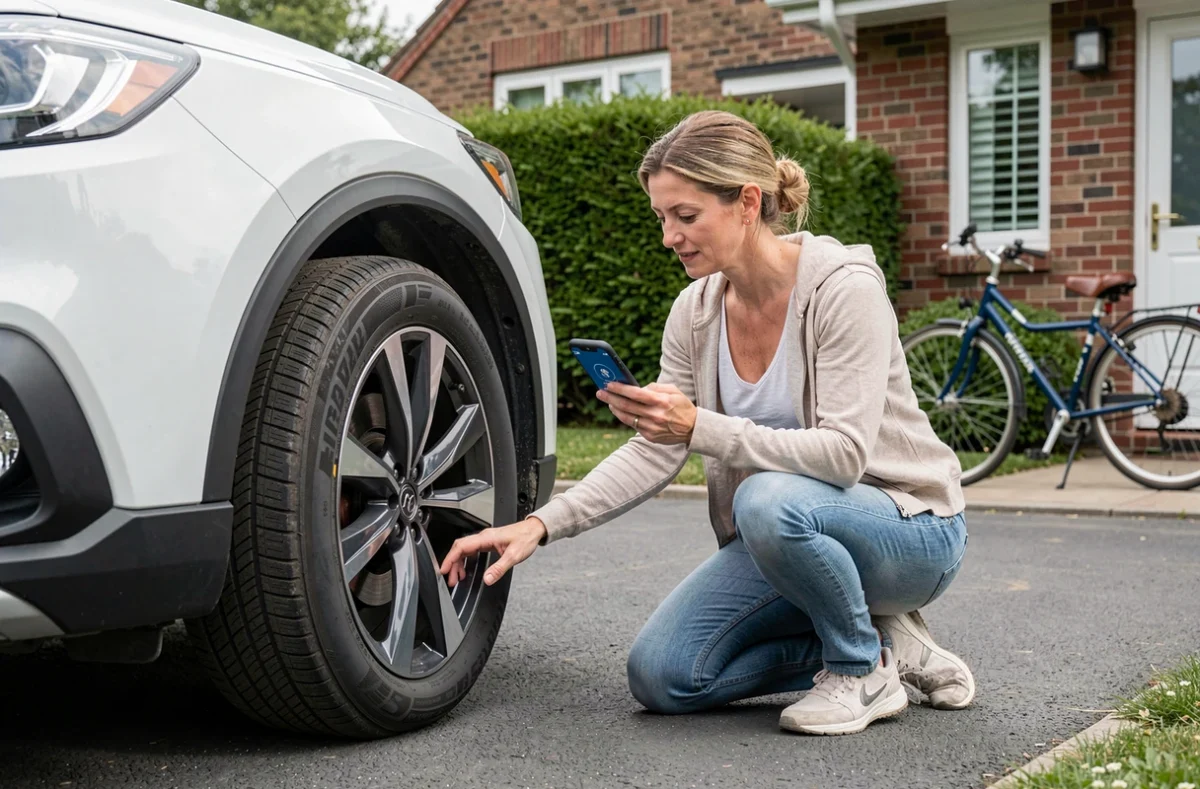
Electric Vehicle Maintenance: Areas Not Covered by Traditional Mechanics
The absence of engine oil changes, clutch, and timing belt gives the impression that an electric vehicle requires almost no maintenance. This simplification is misleading.
An electric vehicle indeed eliminates several heavy operations. However, it retains specific monitoring needs:
- The high-voltage battery cooling circuit must be checked periodically, as overheating irreversibly degrades the cells and reduces range.
- The battery management software (BMS) requires manufacturer updates to optimize charging and cell lifespan.
- The 12 V auxiliary battery, identical to that of a thermal vehicle, powers the onboard electronics and can fail independently of the traction battery.
- Tires wear out faster due to the instantaneous torque of the electric motor, necessitating more frequent pressure and wear checks.
The Pitfall of Regenerative Braking on Calipers
Regenerative braking recovers kinetic energy and slows the vehicle before mechanical brakes engage. Therefore, brake pads last longer, sometimes two to three times longer than on an equivalent thermal model.
This apparent longevity masks a risk. Calipers, rarely used, can corrode or become clogged due to lack of use. In an emergency braking situation, a seized caliper significantly reduces braking power. Regular visual checks of calipers and discs remain necessary, even if the pads appear to be in good condition.
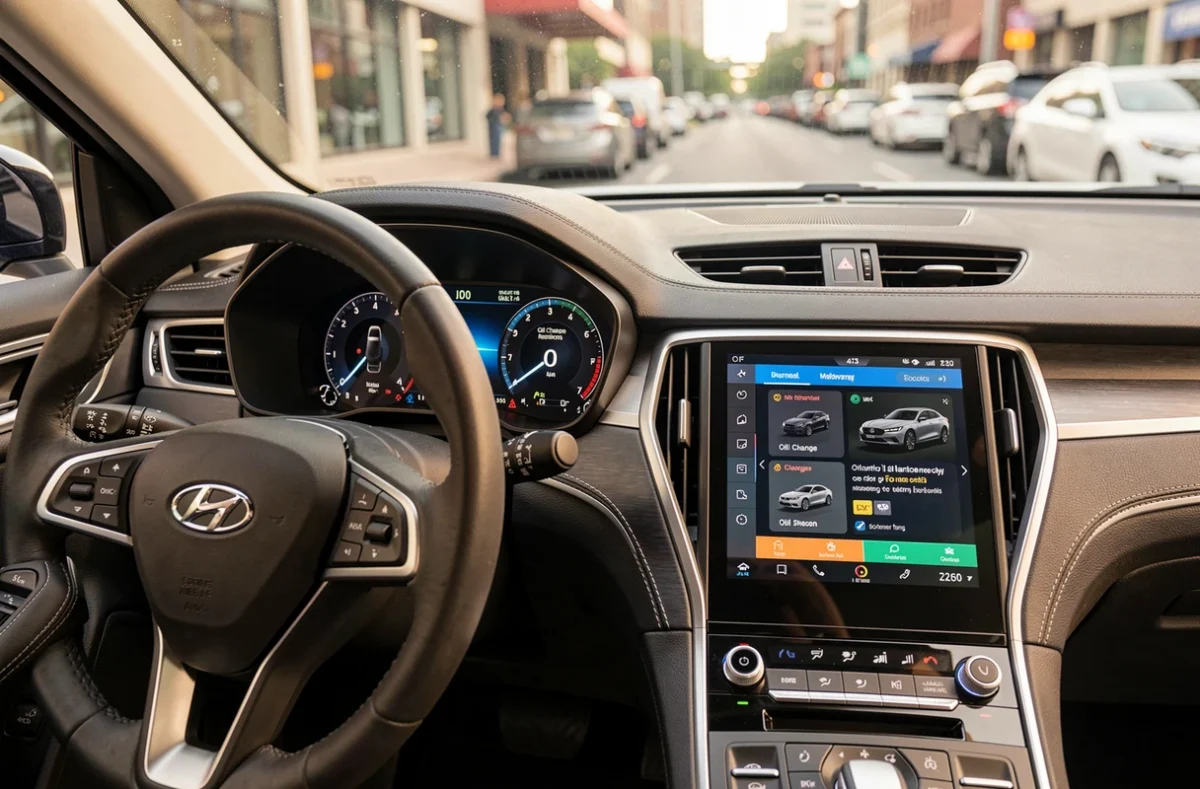
Tire Pressure and Consumption: An Underestimated Adjustment on Hybrid SUVs
Tire pressure directly influences fuel consumption, road handling, and tire wear. On a hybrid SUV, the effect is amplified by the weight of the traction battery, which adds several hundred kilograms compared to the thermal version of the same model.
An under-inflated tire increases rolling resistance. The thermal engine kicks in more often to compensate for the loss of efficiency, partially negating the benefits of electric mode. Checking the pressure when cold every month is the simplest and least expensive measure to maintain consumption at the level indicated by the manufacturer.
The recommended pressure values are found on the label affixed to the driver’s door frame or in the maintenance booklet. Caution: these values often differ between a loaded vehicle (five passengers plus luggage) and an empty vehicle. Loading an SUV for a vacation trip without adjusting the rear pressure accelerates sidewall wear and degrades stability.
Technical Inspection and Reliability: Anticipate Rather Than Suffer
The increase in re-inspections reflects a gap between the routine maintenance performed by motorists and the points actually checked during the technical inspection. The usual operations (oil changes, filters, wiper blades) are insufficient to cover the structural defects sought by authorized centers.
A pre-inspection, conducted in a workshop a few weeks before the due date, helps identify major failures. The most frequently penalized points on older vehicles concern:
- Excessive play in suspension ball joints and bushings, detectable by a simple jack check.
- Leaks in the braking circuits, often located at aging hose connections.
- Defective lighting (burnt bulbs, cloudy optics, beam height adjustment), which can be corrected in a few minutes.
Scheduling this pre-inspection during a service reduces trips back and forth and the overall cost. It also allows for planning the replacement of parts that have become rare on certain older models.
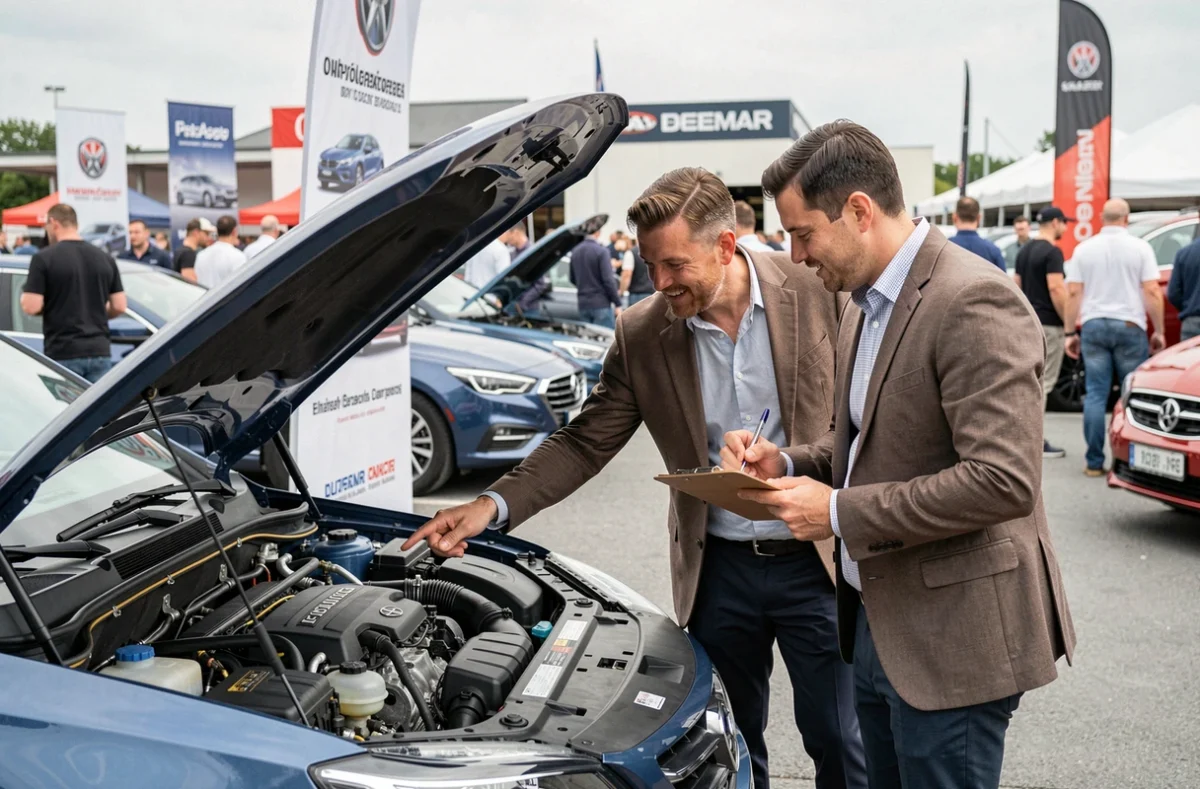
The aging of the French vehicle fleet transforms maintenance from a simple routine into a technical arbitration. Monitoring corrosion, checking the calipers of an electric vehicle, or adjusting the tire pressure of a loaded hybrid SUV: these targeted actions protect better than a standard service applied indiscriminately. The next technical inspection of your vehicle will validate – or not – the quality of this preventive maintenance.